The Struggle Nobody Talks About
There's this moment that happens in the life of every Christian. You're alone, maybe late at night, and the weight of what you've done crashes down on you like a freight train. Your chest tightens. Your eyes burn with tears you can't hold back. The Holy Spirit has convicted you, and it's not some gentle nudge. It's overwhelming. It's gut-wrenching. It's the kind of sorrow that makes you question everything about yourself.
You feel like you've let God down in the worst possible way.
So you pray. You confess. You mean every single word when you say it'll never happen again. You genuinely believe this is the moment everything changes. You're done with that sin, that habit, that thing you keep doing that pulls you away from God. This time is different.
Except it's not.
Days pass. Maybe weeks if you're lucky. And then you find yourself right back where you started. Same sin. Same shame. Same crushing realization that you've fallen again. Only this time it's worse because you knew better. You felt the conviction. You made the promise. And you broke it anyway.
Welcome to the cycle nobody wants to admit they're stuck in.
The Powerless Feeling
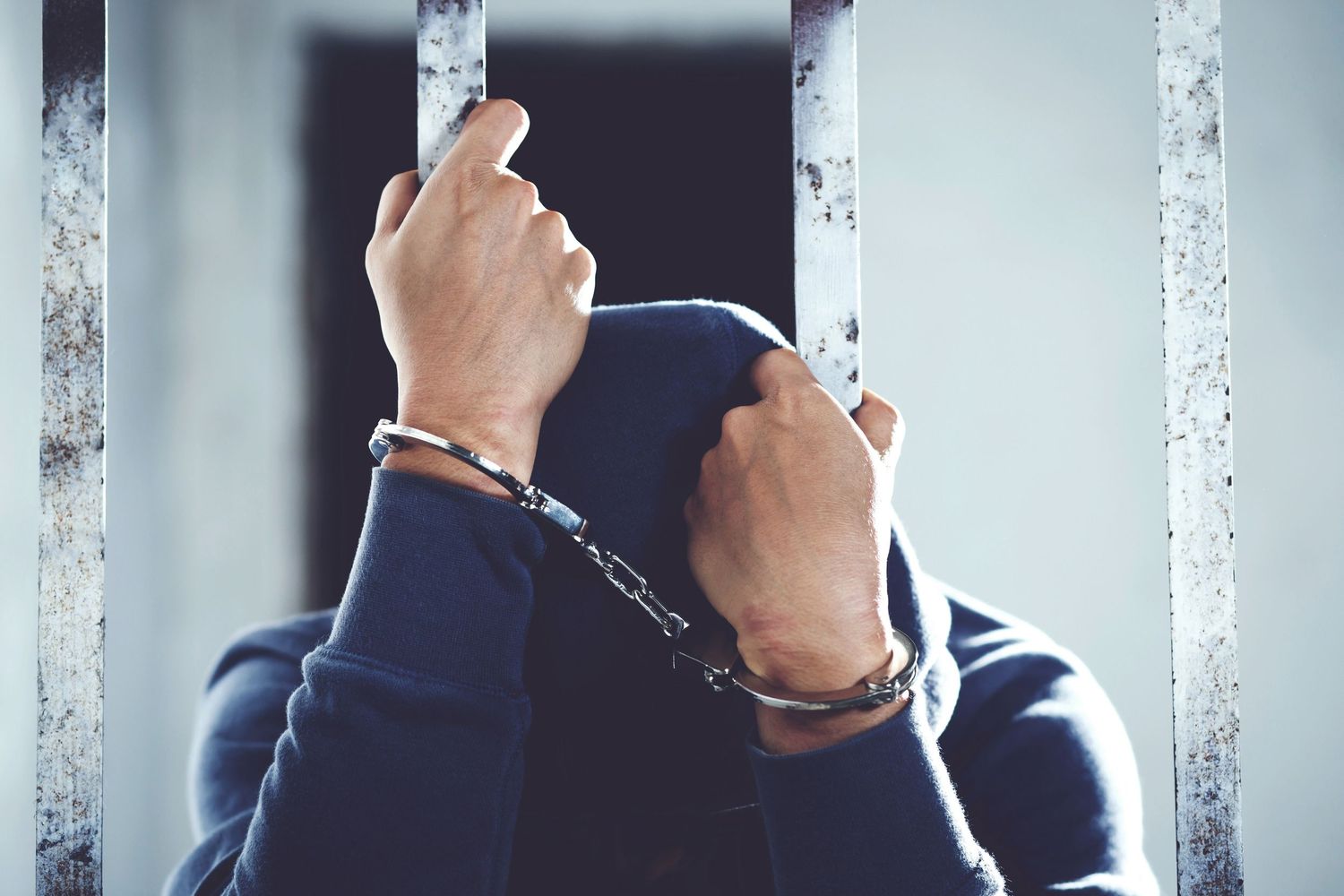
Here's what makes this whole thing so brutal. It's not just that we fall. It's that we can see it coming and feel completely powerless to stop it.
You know that moment halfway through when you realize what's happening? Part of your brain is screaming at you to stop. You can feel the Holy Spirit's presence, that quiet voice telling you to turn around. But another part of you just keeps going. It's like watching yourself from outside your body, knowing exactly how this ends, knowing the regret that's coming, and being unable to change course.
That powerlessness might be the worst part of all. Because if we really loved God, wouldn't we be able to stop? If the Holy Spirit is really living in us, shouldn't we have the power to overcome this? If our faith is real, why does this keep happening?
Those questions eat away at us. They make us wonder if we're even saved at all. They make us question whether God is disappointed in us, frustrated with us, maybe even done with us.
The Lies We Believe
Somewhere along the way, we picked up this idea that real Christianity means having the power to just stop sinning. That true faith looks like white-knuckling your way through temptation. That spiritual maturity means trying harder, praying more, being better.
So when we can't stop, when we fall again and again into the same patterns, we assume something is fundamentally broken in us. We must not be praying enough. We must not really want to change. We must not love God as much as we think we do.
We start believing that conviction is supposed to be a one-time thing. Feel it, fix it, move on. When it becomes a cycle instead, we think we're doing something wrong. We think other Christians must have this figured out while we're still struggling with the same garbage we were dealing with a year ago.
But here's the thing. That assumption is a lie.
The Truth About Conviction
The fact that you keep feeling convicted? That's not a sign of failure. That's evidence of a living, active faith.
Think about it. If your heart was truly hardened, if you'd walked away from God completely, would you feel anything at all? No. You'd do whatever you wanted and sleep just fine at night. The fact that you feel that crushing sorrow, that overwhelming sense of letting God down, means the Holy Spirit is still working in you. He hasn't given up. He hasn't walked away.
Dead faith feels nothing. A hardened heart doesn't care. But you do care. You care so much it breaks you. And that breaking? That's actually the beginning of something beautiful, even if it doesn't feel like it.
The Apostle Paul wrote about this exact struggle in Romans 7. He talks about doing the very things he hates and not doing the things he wants to do. Paul. The guy who wrote half the New Testament. The guy who had an encounter with Jesus so powerful it literally blinded him. Even he struggled with this cycle of knowing better and still messing up.
If Paul dealt with it, we're in pretty good company.
The Point of Powerlessness
Here's what I'm slowly learning, and I mean slowly because this goes against everything we're taught. That feeling of powerlessness? It's not the problem. It's actually the point.
We're supposed to feel powerless because we ARE powerless on our own. That's not defeat. That's the beginning of actually understanding grace.
See, as long as we think we can fix ourselves, we're going to keep trying. We're going to keep making promises we can't keep. We're going to keep believing that this time we'll be strong enough, disciplined enough, faithful enough to overcome on our own.
But the whole point of the gospel is that we're not strong enough. We never were. We never will be. That's why we need Jesus. Not just for salvation, but for every single day after that. For every temptation. For every moment of weakness. For every time we fall.
The powerlessness is what drives us back to grace. It's what reminds us that this Christian walk isn't about our strength. It's about His.
Living in the Cycle
So what do we do with this? How do we live in the tension of conviction and falling, sorrow and repeat?
First, we stop pretending we have it all together. We stop acting like other Christians have figured out what we're still struggling with. Chances are they're dealing with their own cycles, their own areas where they keep falling. We're all broken. We're all in process. And that's okay.
Second, we stop letting shame keep us from running back to God. I think that's where a lot of us get stuck. We fall, we feel that crushing conviction, and then shame tells us we need to clean ourselves up before we can come back to the Father. We need to prove we're serious this time. We need to go a certain number of days without falling before we have the right to approach Him again.
But that's not how grace works. Grace says come as you are, right now, in the middle of the mess. Come broken. Come ashamed. Come powerless. Come before you've fixed anything. That's when we need Him most.
Third, we recognize that sanctification is a process, not a one-time event. God isn't shocked when we fall. He's not up in heaven wringing His hands wondering what He's going to do with us. He knew exactly what He was getting when He saved us. He knew every sin we'd commit, every time we'd fall, every cycle we'd get stuck in. And He chose us anyway.
The goal isn't perfection. It's progress. And sometimes progress looks like falling but getting back up a little faster. Or recognizing the pattern a little sooner. Or being honest about the struggle instead of hiding it. That's still growth, even when it doesn't feel like it.
The Long Game
I think God is playing a longer game than we realize. He's not just trying to get us to stop doing bad things. He's trying to transform us into people who understand how desperately we need Him. People who know that apart from Him we can do nothing. People who've learned that His grace really is sufficient, not just as a nice theological concept but as a lived reality.
That transformation doesn't happen overnight. It happens through cycles of conviction and falling and returning. Through realizing over and over that we're not strong enough on our own. Through experiencing His faithfulness even when we're faithless. Through learning that His love isn't based on our performance.
Every time we fall and come back, we're learning something about grace that we couldn't learn any other way. We're experiencing the depth of God's love for broken people. We're discovering that His mercies really are new every morning, not just on the mornings when we've been good.
Moving Forward
So where does that leave us? Still in the cycle, probably. Still feeling conviction. Still falling. Still returning.
But maybe with a little more understanding that this is part of the journey. That God isn't surprised or disappointed. That the conviction we feel is evidence He's still working in us, still refining us, still refusing to give up on us.
Maybe we can start being more honest about the struggle instead of pretending we have it all figured out. Maybe we can extend to ourselves the same grace God extends to us. Maybe we can stop measuring our faith by how well we're performing and start measuring it by how quickly we return when we fall.
Because at the end of the day, that's what conviction is really about. Not making us feel like failures. Not crushing us under the weight of our own inadequacy. But drawing us back to the Father who loves us, knows us, and refuses to let us go.
Even when we fall. Even when we feel powerless. Even when we're stuck in the cycle.
Especially then.