A photographer's confession about true colors, borrowed styles, and why the safest way to look outdated is to try really hard to look current
I found out I was “on trend” a couple weeks ago, and it caught me completely off guard.
Somebody sent me an article about wedding photography for 2026. Natural light. True-to-color skin tones. No heavy filters. Real greens, real skies, nothing pushed toward that orange-and-teal look that dominated everything for the better part of a decade. Apparently this is a whole movement now. Photographers are “returning to authenticity.”
I read that and thought, returning from where, exactly? I never left. I didn't even know there was a trend to leave in the first place.
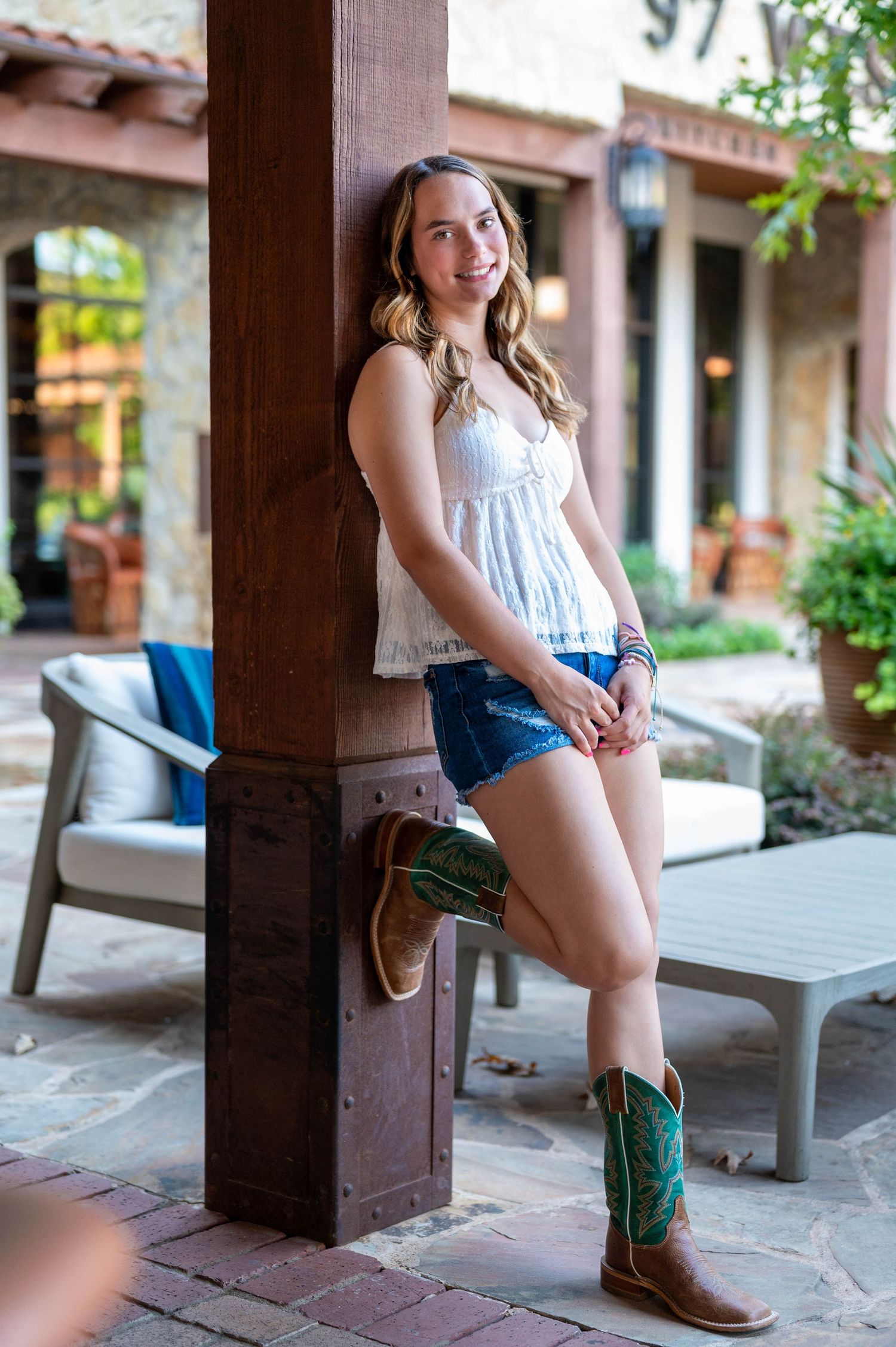
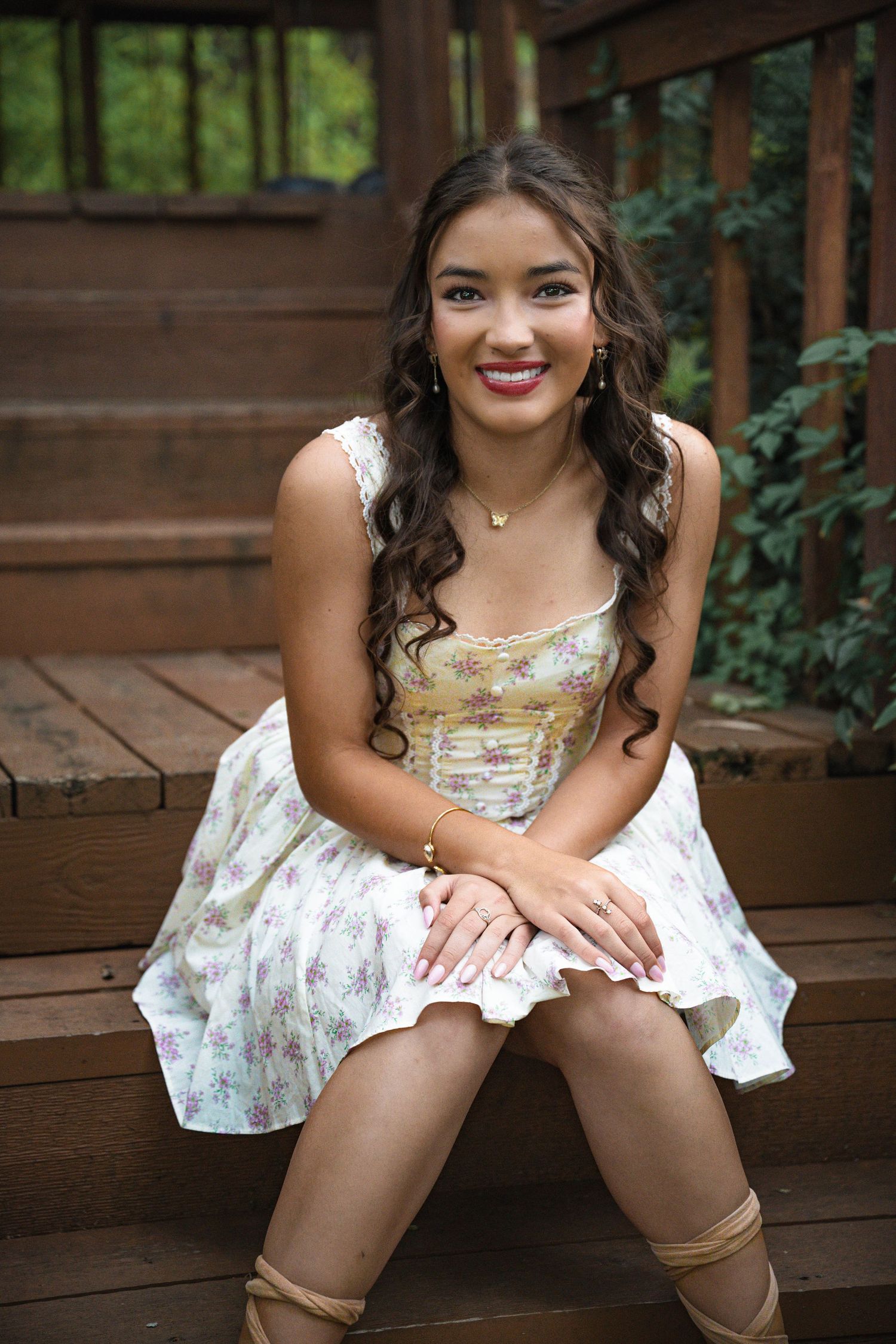
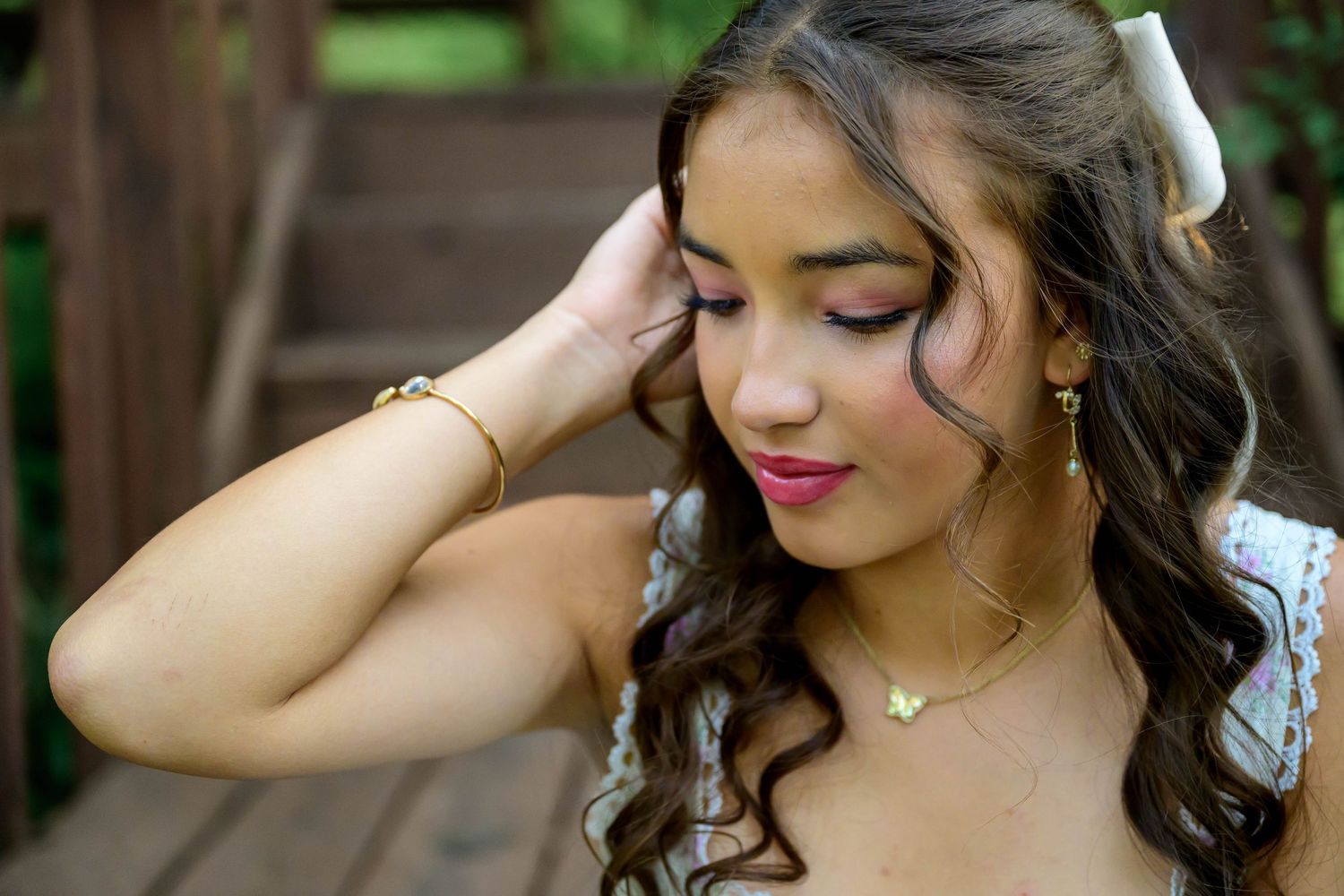
That's the part that got me thinking. I shoot true-to-life colors for two reasons, and neither one of them has anything to do with what's popular. First, I genuinely had no idea that shooting any other way was ever a trend. I wasn't rebelling against orange skin tones and teal shadows. I just never went looking for them. Second, and this is the real reason, true colors look more natural. A green field looks like a green field. Skin looks like skin. When you see the photo, you believe it, because it looks like the moment you actually remember standing in.
Turns out that not chasing a trend is sometimes the same thing as accidentally landing on one a few years later. Which tells you something important about trends themselves.
I actually tried it, and my brain wouldn't cooperate
I need to be honest about something before I go any further with all this, because it would be pretty easy to sit here and act like I've never once been tempted. I have. There was a stretch where I actually sat down and tried to edit my photos to match a trend that was everywhere at the time. I won't bore you with which one. Doesn't matter. What matters is what happened next.
I struggled. Badly. Not because the technique was hard to learn, edits like that usually aren't complicated once you know the sliders. I struggled because no matter how many times I pushed the tones around, no matter how closely I followed the tutorial, my brain refused to accept what I was looking at. It didn't look like a photograph to me. It looked like a photograph wearing a costume. Every time I finished an edit and sat back to look at it, something in my gut just said, that's not real, and I couldn't shake it.
I kept at it longer than I probably should have, honestly, because I figured the discomfort was just me being resistant to change, and maybe I needed to push through it like breaking in a new pair of boots. But it never broke in. It just kept feeling wrong, edit after edit, like I was lying to myself one slider at a time.
Eventually I just stopped. Not because I ran out of patience, though I was getting there, but because I realized the discomfort wasn't a sign that I needed to try harder. It was a sign I was going against something I actually believed. My eyes and my gut were telling me the same thing over and over, this doesn't look true, and I finally decided to just listen instead of arguing with myself for another two hours in Lightroom.
That's the part I think people skip over when they talk about trends. Nobody warns you that chasing one might mean fighting your own instincts the entire time you're doing it. If you have to talk yourself into liking your own work, that should tell you something. Good work usually doesn't require that much convincing.
Trends are just everyone agreeing to do the same thing at the same time
Here's the thing nobody says out loud about trends. A trend isn't proof that something works. It's proof that a lot of people started doing the same thing around the same time, usually because someone influential did it first and everybody else didn't want to be left behind.
That's true in photography. It's true in fashion. It's true in church worship styles, home decor, business advice, you name it. Somebody with a big platform does something a little different, it photographs well or performs well in the short term, and suddenly it's everywhere. Heavy film grain. Matte black-and-white conversions. That one specific pose where everybody stands with their weight on the back foot and looks slightly off camera like they just remembered something sad. You've seen it. I've shot it, more than once, because a client specifically asked for it after seeing it on Pinterest forty separate times.
None of that makes the trend wrong. Some trends are genuinely good ideas that spread because they're genuinely good ideas. But plenty of them spread simply because repetition creates the illusion of correctness. If enough people do a thing, our brains start treating it like the obvious choice instead of just the popular one. That's not a photography problem. That's a human brain problem, and photographers are not immune to it just because we own nice cameras.
The cost of chasing instead of choosing
Here's where it gets expensive, and I don't just mean financially, though it can mean that too.
When you chase a trend instead of choosing an approach because you actually believe in it, you're building your work on rented land. The trend belongs to whoever started it, or to the algorithm that decided to reward it this particular season. The second the trend shifts, and it always shifts, you're stuck. Either you keep doing the thing that's suddenly dated, or you scramble to catch the next wave, and now your body of work looks like five different photographers took turns shooting it.
I've watched this happen to good photographers. Someone builds a whole style around heavy editing, dramatic skies pulled in from a totally different photo, skin tones pushed so warm everyone looks like they just got back from a beach vacation in October. It looks incredible for about eighteen months. Then the trend cools off, clients start asking for “something more natural,” and that photographer has to unlearn an entire workflow while still delivering consistent work to the people who hired them for the old look. That's a rough spot to be in, and it's avoidable.
Compare that to building your style around something that isn't a trend at all, but a value. True color isn't trendy to me. It's just what I believe a photo should do. It should show you what was actually there. A photo that lies about the color of the sky is still a kind of lie, even if it's a pretty one. When you build your work around a value instead of a look, you don't have to keep checking over your shoulder to see what everyone else just started doing. The work stays honest whether or not it's fashionable because honesty was never the point of the trend cycle to begin with.
The one trend I just can't make peace with
While we're on the subject, let me pick on one specific trend for a second. Harsh, direct flash. That blown-out, deer-in-headlights, 90s paparazzi look where the flash sits right on top of the camera and just floods the subject's face like they got pulled over.
I get why people like it. I really do. There's a boldness to it, a rawness that says, “this moment happened and I'm not going to pretty it up for you.” Used well, in the right hands, it can be genuinely striking. I've seen photographers do incredible, intentional work with it. That's not me being dismissive of the craft. It takes real skill to make a look that aggressive still feel composed instead of chaotic.
But I struggle with it. Every time I look at a gallery full of that hard, flat light, something in me deflates a little. Faces lose their shape. Shadows go harsh and unflattering in places nobody asked them to. It feels less like capturing someone and more like startling them, then publishing the startled version. Maybe it's because I've built my whole approach around light that's soft and true to what was actually there, and this look is basically the opposite of that on purpose.
Here's the thing though. My struggle with it doesn't make it wrong, and it doesn't make me right. It just means it's not my trend. Somebody out there is reading an article right now about how much they love true-to-color natural light and thinking it looks flat and boring compared to a good hard flash shot. That's fine. That's how style works. The danger isn't in a trend existing. The danger is in feeling like you have to adopt every trend just because it's having a moment, even the ones that make you a little queasy every time you open the gallery.
So, I'll keep shooting the way that feels honest to me, and I'll keep admiring the photographers who make harsh flash sing, even while I quietly stay over here in my soft, natural light corner where I belong.
There's a difference between learning and imitating
I want to be careful here, because I'm not saying ignore everybody else and never learn anything from what's happening in the industry. That would be its own kind of foolishness. I look at other photographers' work all the time. I notice lighting choices I like, compositions that make me want to try something new, editing techniques that genuinely improve on what I was doing before. That's not chasing a trend. That's just paying attention and growing, which is a completely different thing.
The difference is intent. Are you trying something because you looked at it and thought, that actually makes the photo better, that's a technique I want to understand and make my own? Or are you trying it because you're worried that if you don't, you'll look behind, and some client is going to scroll past your gallery because it doesn't have the right amount of film grain this month?
One of those is craftsmanship. The other one is anxiety wearing a camera strap.
I think this shows up outside of photography too, honestly. It shows up in how churches decide what worship should sound like, in how businesses decide what their branding should look like, in how any of us decide what kind of person we're supposed to be this year based on what's circulating online. There's nothing wrong with being shaped by good influences. There's something hollow about being shaped by whatever's loudest at the moment. Scripture talks about not being conformed to the pattern of this world, and I don't think that verse is only about big moral questions. I think it's also just a good general warning about letting the crowd do your thinking for you, whether the crowd is arguing about theology or arguing about whether film photography is back again.
My niche isn't an event. It's a feeling.
Now, I'll admit something here that might sound like it contradicts everything I just said. I shoot weddings. I shoot families. I shoot babies, kids, seniors, events, all of it. On paper that looks exactly like the scattered, everything-for-everybody approach I just spent two paragraphs warning you about.
Here's the difference though. My niche was never the event type. My niche is people. Every single one of those categories, whether it's a bride walking down the aisle or a senior trying to figure out what to do with her hands for the fortieth photo in a row, comes down to the same thing I'm actually chasing. Raw emotion. The real, unscripted moment where somebody stops performing for the camera and just is who they are. A wedding gives me that in one flavor. A newborn session gives it to me in a completely different flavor. But it's the same hunt every time.
So, it's not that I refused to pick a lane. I picked the lane. I just found out my lane is wider than one specific type of shoot. People are everywhere, and every one of them is carrying some version of that same raw, honest moment I'm trying to catch. The photographers who spread themselves thin aren't failing because they shoot more than one thing. They're failing because they don't have a through line connecting any of it. Mine is emotion. That's the thread running underneath every wedding, every senior session, every baby who has absolutely no idea I'm even in the room. Find your thread, and suddenly a wide range doesn't feel scattered anymore. It feels like the whole point.
Doing it my way
Here's the honest truth about how I actually work. I'm not a trend follower. I never sit down before a session and ask myself what's hot right now. I shoot for a feeling. I'm chasing whatever fits the story I'm trying to tell for that person or that couple, and if that story calls for something nobody else is doing this year, that's fine by me.
I know that probably limits my reach in some ways. There's an algorithm out there somewhere rewarding whoever posts the most current look, and I'm not always going to be that guy. But here's what I've noticed. Doing it my way doesn't feel like missing out. It feels like the opposite of conforming, even though I never set out to rebel against anything. I just set out to tell the truth about the people in front of my camera, and it turns out that's its own kind of trend-proof.
There's an old Sinatra line that sums it up better than I ever could. Regrets, he had a few, but then again, too few to mention. He did what he had to do and saw it through without exemption. That's the whole posture right there. Not stubbornness for its own sake, just a refusal to hand somebody else the pen when it's your story to write.
I think that's really what all of this comes down to. Trends will always be there, offering you a shortcut to looking current. But a shortcut to looking current is still just a shortcut, and shortcuts rarely lead anywhere worth staying. I'd rather take the long way and end up somewhere true.
What actually lasts
Here's what I've noticed after doing this long enough to watch a few trend cycles come and go completely. The photos that hold up, the ones people still love ten or fifteen years later, are almost never the ones that were the most on trend. They're the ones that feel true. A real laugh. Real light on someone's face. Colors that look like the day actually looked, not like a filter's idea of what the day should have looked like.
Trends fade because trends are, by definition, temporary. That's not an insult to trends, that's just what the word means. But truth doesn't have an expiration date. A photograph that captures something real about a person or a moment will still be real in twenty years, long after whatever editing style was popular the week it was taken has become a punchline.
So no, I didn't know I was on trend when I started shooting true to color. I just knew that fake skies bothered me and orange skin tones looked wrong. Turns out that instinct was pointing at something worth trusting the whole time. Not because it eventually became fashionable, but because it was true before it was fashionable, and it'll still be true after this particular trend quietly packs up and moves on to whatever's next.
That's really the whole pitfall of chasing trends, when you get down to it. You end up building your work, your brand, sometimes your whole sense of what's good, on something that was never meant to last. Build on what's actually true instead, and you don't have to worry about whether it's still in style next season. It just is what it is, season after season, which honestly sounds like a pretty good way to run a photography business. Or a life.