Master authentic portrait photography and create emotionally powerful images that connect
You know that feeling when you're scrolling through photos and one just stops you dead in your tracks? It's not necessarily the most technically perfect shot – maybe the lighting's a bit off, or someone's hair is messy, or the composition isn't quite centered. But something about it just feels real. That's the power of genuine emotion in photography, and honestly, it's way harder to achieve than getting perfect exposure settings.
I've been doing portrait photography for a long time now, and I can tell you that the difference between a good photo and one that gives you actual chills usually comes down to whether you caught a real moment or a manufactured one. The problem is, the moment someone knows they're being photographed, they tend to put on their "camera face" – you know the one I'm talking about. That slightly forced smile, the stiff posture, the look that says "I'm definitely being photographed right now."
Breaking through that barrier to capture authentic emotions? That's where the real art of emotional photography happens.
WHY TRADITIONAL PORTRAIT PHOTOGRAPHY FALLS SHORT
Let's be honest – traditional posed photography has trained people to be terrible photo subjects. We've all learned to freeze up the second we see a camera, to plaster on that same smile we've been using since elementary school picture day. And while there's definitely a place for formal portraits, some of the most powerful emotional photographs happen in the spaces between poses.
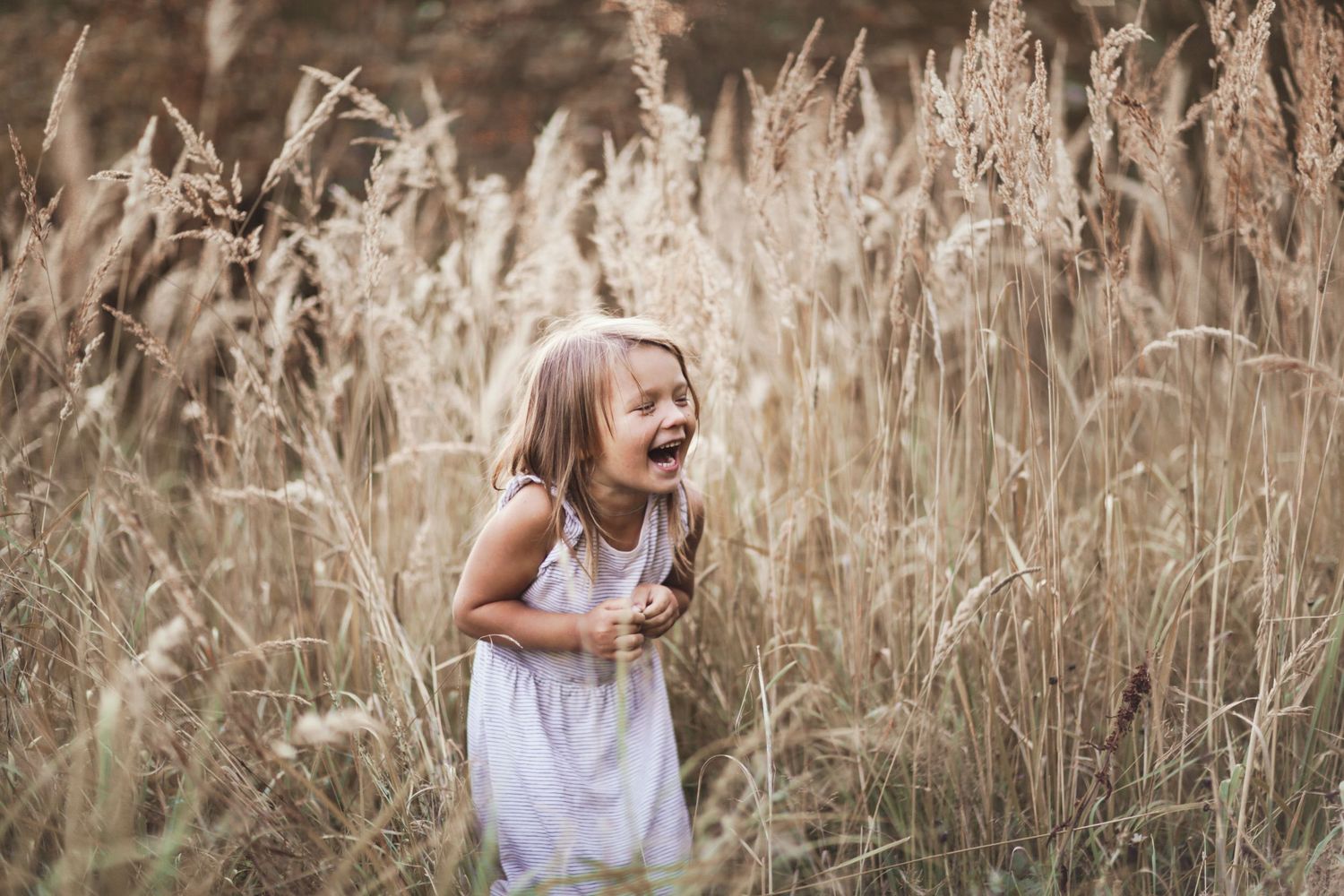
Think about your favorite family photos. I bet they're not the ones where everyone's lined up perfectly looking at the camera. They're probably the candid photography moments where someone's laughing at something that just happened, or where you caught a quiet moment between two people, or where someone's making a ridiculous face in the background. Those photos tell stories. They capture genuine emotions, not just what people look like.
Creating the Right Environment for Authentic Portrait Photography
START BUILDING CONNECTION BEFORE YOU SHOOT
The best emotion-capturing photography sessions don't actually begin when you pick up your camera. They start with conversation, with getting people comfortable, with establishing some kind of connection. I always spend at least a few minutes just talking with people before I even think about taking photos.
This isn't just being nice (although it is that too) – it's strategic for candid portrait photography. People need time to forget about the camera, to settle into themselves, to stop performing. Those first few minutes of conversation give you insight into their personality, their sense of humor, what makes them light up.
MAKE THE CAMERA LESS INTIMIDATING
One photography technique I've learned is to have my camera settings mostly figured out before the session really begins. The more you're fiddling with buttons and settings, the more aware people become that they're being photographed. If you can get your exposure and focus points roughly where they need to be, you can concentrate on capturing emotions instead of the technical stuff.
Also, put the camera down sometimes. I know that sounds counterintuitive for portrait photography, but some of the best moments happen when people forget you're there to take photos. Let conversations happen naturally. Pay attention to their interactions. Then when something genuine starts to unfold, you're ready to capture it.
Essential Photography Tips for Reading People and Perfect Timing
WATCH FOR REAL FACIAL EXPRESSIONS
Here's something I wish someone had told me earlier about emotional photography: people's faces are constantly changing, even when they think they're holding still. There's the expression they put on when they first see the camera, then there's what happens a few seconds later when they relax a bit, and then there's the moment – usually pretty quick – when their guard comes down completely.
That third moment is what you're after in genuine emotion photography. It might only last a fraction of a second, but that's when you see who they actually are. Their real smile, not their photo smile. The way they actually look at their partner, not how they think they should look at them for a picture.
LEARN EACH PERSON'S NATURAL RHYTHM
Every person has a different rhythm when it comes to being photographed. Some people need time to warm up for candid portraits. Others are most natural in their first few shots before they start overthinking it. Some people are at their best when they're distracted by something else entirely.
Pay attention to when each person seems most themselves. Is it when they're talking? When they're listening? When they think you're not paying attention? Once you figure out their rhythm, you can work with it to capture better emotional photographs.
Camera Settings and Photography Techniques for Emotional Impact
FOCUS STRATEGIES FOR PORTRAIT PHOTOGRAPHY
Yeah, I know everyone says "focus on the eyes" for portrait photography, and most of the time that's good advice. Eyes convey emotion better than almost any other feature in emotional photography. But don't get so obsessed with perfect eye focus that you miss the bigger picture. Sometimes the way someone's hands are positioned, or the tilt of their head, or their overall body language tells the story better than their eyes do.
And here's a controversial opinion: slightly soft eyes aren't the end of the world if everything else about the moment is perfect. I'd rather have a photo with amazing genuine emotions and slightly imperfect focus than a technically perfect shot with no soul.
CAMERA SETTINGS FOR CAPTURING REAL LIFE
Real emotions happen fast in candid photography. Someone's going to laugh, or their expression is going to change, or a kid is going to do something unexpected, and you need to be ready for it. I usually shoot with faster shutter speeds than I technically need, especially when doing family portrait photography or working with children.
That said, don't be afraid of a little motion blur if it adds to the emotional story. Sometimes a slight blur from movement actually makes a photo feel more alive, more real in emotional photography.
WHY CONTINUOUS SHOOTING MODE WORKS FOR EMOTIONAL PHOTOGRAPHY
I used to be precious about every single shot, but when you're trying to capture genuine emotion, burst mode actually makes sense for portrait photography. Facial expressions change so quickly that taking single shots often means missing the perfect moment.
Continuous shooting lets you catch the sequence – the moment before the laugh, the laugh itself, and the natural expression that comes after. Often, it's one of the in-between shots that ends up being the keeper in emotional photography.
Portrait Photography Techniques for Different Personality Types
WORKING WITH CAMERA-SHY SUBJECTS
Some people genuinely hate being photographed, and you can see it in their whole body language the moment you point a camera at them. Don't try to force them to be comfortable in portrait photography – work with their discomfort instead.
Give them something to do with their hands. Ask them to help with something. Focus on photographing them while they're engaged in an activity rather than looking directly at the camera. Some of the most genuine portraits I've taken are candid photography shots of people who aren't even aware I'm photographing them.
PHOTOGRAPHING NATURAL PERFORMERS
On the flip side, some people love the camera and immediately start performing the moment they see it in portrait sessions. This can be fun, but you might have to work harder to get past the performance to the real person underneath for authentic emotional photography.
Let them perform for a bit – get it out of their system. Then try to catch them in the moments between performances, when they're resetting or thinking about what to do next.
CHILDREN'S PORTRAIT PHOTOGRAPHY: NATURAL EMOTION EXPERTS
Children are simultaneously the easiest and hardest subjects for capturing genuine emotion in photography. Easiest because they're naturally expressive and haven't learned to hide their feelings yet. Hardest because they're unpredictable and have approximately zero patience for photographer directions.
The key with kids' portrait photography is to let them be kids. Don't try to control them too much. Instead, create situations where interesting things might happen and be ready to capture whatever unfolds with candid photography techniques. Some of the best kid photos I've taken happened when I was just following them around with my camera, documenting their natural chaos.
Location and Environmental Factors in Emotional Photography
CHOOSING LOCATIONS THAT ENHANCE AUTHENTIC EMOTIONS
You don't need an amazing location to capture genuine emotion in portrait photography – you need a location that means something to your subjects or puts them at ease. Someone's own backyard might produce more authentic moments than the most beautiful park in town, simply because they're comfortable there.
That said, environment can definitely enhance emotion in photography. If someone lights up when they talk about their garden, photograph them in their garden. If they're most relaxed at their local coffee shop, meet them there instead of in a studio for your portrait session.
USING PROPS AND ACTIVITIES FOR NATURAL INTERACTIONS
Sometimes people need something to do with their hands, or a reason to interact with each other naturally in portrait photography. This is where props and activities come in handy for emotional photography – not as posed photo elements, but as tools for creating genuine interactions.
Having a family bake cookies together, asking a couple to dance in their living room, giving kids bubbles to chase – these activities create natural moments and real emotions that you can then document with candid photography techniques.
Photo Editing Tips for Preserving Emotional Impact
KEEP POST-PROCESSING SUBTLE FOR AUTHENTIC RESULTS
I see this all the time – photographers capture beautiful, genuine moments and then edit them so heavily that they lose all their authenticity in the final portrait. That perfect skin smoothing, those oversaturated colors, the HDR effect that makes everything look like a cartoon – it all works against the genuine emotion you worked so hard to capture.
Keep your photo editing subtle. Enhance what's already there rather than trying to completely transform the image. The goal is to support the emotion in your portrait photography, not overshadow it.
BLACK AND WHITE PHOTOGRAPHY FOR EMOTIONAL FOCUS
Sometimes converting to black and white can actually enhance the emotional impact of a photo by removing the distraction of color and focusing attention on expressions, gestures, and the relationships between people in portrait photography.
But don't automatically assume black and white is more "artistic" or emotional. Sometimes the color is part of the story in emotional photography – the red of a child's cheeks from laughing, the warm golden light of a sunset conversation, the bright colors of a celebration.
Common Portrait Photography Mistakes to Avoid
OVER-DIRECTING YOUR SUBJECTS
When I first started portrait photography, I thought I needed to keep up a constant stream of direction and encouragement. "Great! Beautiful! Now look this way! Perfect!" But all that chatter actually prevents genuine moments from happening in emotional photography. People can't relax into themselves when they're constantly being directed.
Learn to work in comfortable silence during portrait sessions. Give direction when you need to, but then shut up and let people exist in the space you've created for authentic emotional photography.
CHECKING YOUR CAMERA TOO OFTEN DURING SESSIONS
"Chimping" is photographer slang for constantly checking the back of your camera after every shot. And while it's important to make sure you're getting the technical stuff right in portrait photography, too much chimping breaks the flow of the session and reminds people that they're being photographed.
Check your settings periodically, but try to stay present with your subjects during emotional photography sessions. The connection you maintain with them is often more important than getting every single shot perfectly exposed.
FORCING EMOTIONS THAT AREN'T NATURAL
Not every portrait session is going to produce tear-jerking, emotionally powerful photos, and that's okay. Some people are more reserved, some days just feel off, some combinations of people don't create magic together. Don't try to force emotion that isn't naturally happening in your portrait photography – it'll just result in fake-looking photos.
ETHICS IN EMOTIONAL PORTRAIT PHOTOGRAPHY
This is something we don't talk about enough in photography circles: when you're capturing genuine emotion, you're documenting people at their most vulnerable in portrait photography. That comes with responsibility.
Make sure people are comfortable with how you're photographing them. Be respectful of boundaries. If someone's having a genuinely emotional moment – maybe they're crying or sharing something personal – ask yourself whether photographing it serves them or just serves your photography portfolio.
The goal of emotional photography isn't to exploit emotion for dramatic photos. It's to create images that honor the people you're photographing and tell their stories authentically.
Building Your Emotional Photography Skills
PRACTICE PORTRAIT PHOTOGRAPHY ON FAMILY AND FRIENDS
The best way to get better at reading people and capturing genuine emotion is to practice portrait photography on people you know well. Photograph your family, your friends, your pets (yes, pets have emotions too). You already understand their personalities and expressions, so you can focus on the technical and artistic aspects of capturing those moments in emotional photography.
STUDY HUMAN EXPRESSIONS IN DAILY LIFE
Start paying attention to how people's faces change throughout conversations, how their body language shifts, what genuine happiness looks like versus polite smiles. The more you understand human expression in general, the better you'll get at recognizing and capturing it through your portrait photography.
LEARN FROM INSPIRING EMOTIONAL PHOTOGRAPHERS
Study photographers whose portrait work consistently captures authentic emotion. What are they doing differently in their emotional photography? How are they framing their shots? What moments are they choosing to capture? You don't need to copy their style, but you can learn from their approach to working with people in portrait photography.
WHEN TECHNICAL PERFECTION DOESN'T MATTER IN PORTRAIT PHOTOGRAPHY
Here's something that took me way too long to learn about emotional photography: sometimes the most emotionally powerful photos are technically imperfect. Maybe the focus is slightly soft, or the exposure isn't quite right, or someone's partially cut off at the edge of the frame. But if the emotion is there – if you've captured a real moment that tells a story – those technical imperfections often don't matter at all in portrait photography.
I have photos in my portfolio that make me cringe from a technical standpoint, but I'll never delete them because they capture something real and important about the people in them. The slightly blurry photo of a grandmother holding her new grandchild for the first time. The overexposed shot of kids running through sprinklers. The awkwardly cropped image that perfectly captures someone's personality.
Perfect technique in service of genuine emotion is the ideal for portrait photography. But if I had to choose between the two, I'd take real emotion with imperfect technique over flawless technical execution with no soul in emotional photography.
DEVELOPING YOUR PORTRAIT PHOTOGRAPHY SKILLS OVER TIME
Capturing genuine emotion in photography isn't a skill you master in a weekend photography workshop. It's something you develop over years of working with people, of learning to read expressions and body language, of understanding how to create environments where authenticity can flourish in portrait photography.
Be patient with yourself as you develop these emotional photography skills. Every portrait session teaches you something new about human nature, about timing, about the delicate balance between direction and documentation. Some sessions will produce magic, others won't, and that's completely normal in portrait photography.
The photographers who consistently capture powerful emotional moments aren't necessarily the ones with the most expensive camera equipment or the most technical knowledge. They're the ones who understand people, who can create connections, and who know how to step back and let genuine moments unfold in their portrait photography.
PORTRAIT PHOTOGRAPHY: IT'S ABOUT PEOPLE, NOT JUST PICTURES
At the end of the day, capturing genuine emotion in photography is less about camera settings and more about human connection. It's about creating space for people to be themselves, about recognizing authentic moments when they happen, and about having the photography skills to document those moments effectively.
The photos that move us most aren't the ones that showcase a photographer's technical prowess – they're the ones that show us something true about the human experience in emotional photography. They remind us of our own emotions, our own relationships, our own moments of joy or vulnerability or connection.
That's what we're really after when we talk about capturing genuine emotion in portrait photography. Not just pretty pictures, but images that tell the truth about what it feels like to be human.
And honestly? When you get one of those shots in your portrait photography – when you capture a moment that perfectly encapsulates someone's personality or the relationship between two people or the pure joy of a particular moment – all the technical stuff fades away. What you're left with is something much more valuable in emotional photography: a piece of authentic human experience, preserved forever.
Ready to improve your portrait photography skills? Start practicing these emotional photography techniques with your next photo session, and remember – authentic connection beats perfect technique every time.
What portrait photography techniques have you found most helpful for capturing genuine emotions? Have you ever gotten a shot that surprised you with its emotional impact? Share your experiences with emotional photography in the comments below.