It's time to actually use the lighting gear you already own
So you bought the flash. Maybe even two. You watched the YouTube videos, nodded along enthusiastically, and promised yourself this would be the year you finally mastered off-camera lighting. You were going to create those dreamy, magazine-worthy portraits that make people stop scrolling.
And then it sat in your gear bag. For months. Maybe years.
Listen, I get it. I have been that photographer. The one who spent a small fortune on lighting equipment only to default to natural light for every single session because, well, it's just easier. The flash felt complicated. Intimidating. Like I needed an engineering degree just to figure out which button did what.
But here's the thing about off-camera lighting that nobody tells you when you're buying all that gear: it's not actually about the equipment. It's about understanding light itself. And once you get that part down, your flash becomes less of a scary science experiment and more like having a portable sun you can position anywhere you want.
Pretty cool when you think about it that way.
The Real Reason You're Not Using Your Flash
You know what the problem is? We've been conditioned to think of flash photography as this separate skill set, something completely different from the natural light work we already do. But that's garbage. Light is light. Whether it's coming from the sun or your Godox or your fancy Profoto doesn't change the fundamental rules.
You already know how to see light. You know that gorgeous glow when your senior portrait client stands near a window. You understand why shooting at golden hour makes everyone look like they wandered out of a romance novel. You've positioned a family in open shade a thousand times because harsh overhead sunlight is nobody's friend.
That's all lighting. You're already doing it.
Off-camera flash just gives you the ability to create that perfect light when Mother Nature isn't cooperating. Or when you're shooting indoors and the overhead fluorescents are making everyone look vaguely seasick. Or when you have a vision that requires a little more control than hoping the clouds stay consistent.
Starting Stupid Simple
Forget everything you think you need to know about inverse square law and color temperature and all that technical stuff for a minute. We'll get there, but not yet. First, let's just get that flash out of your bag.
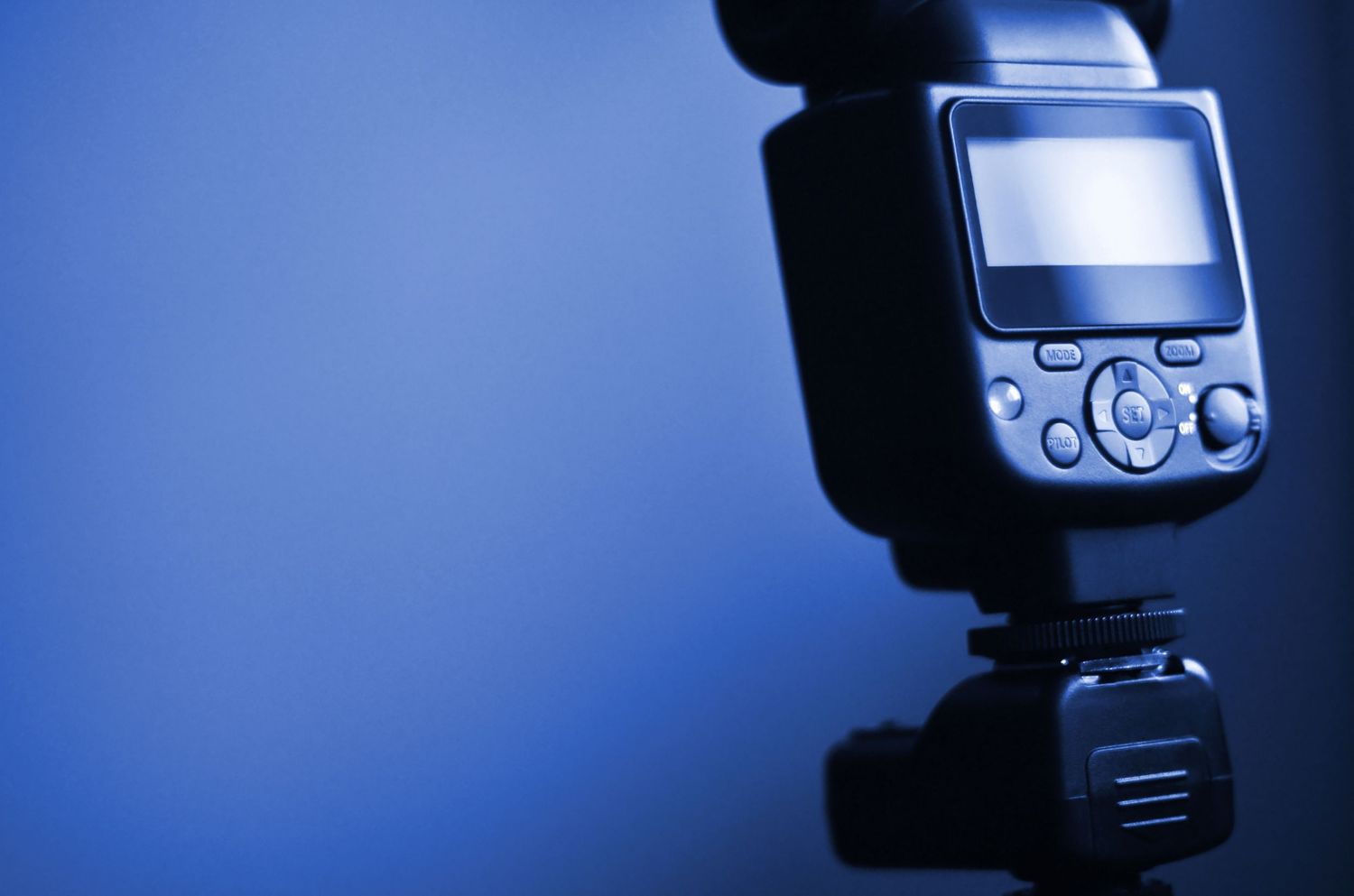
Here's your assignment, and it's so basic you might roll your eyes: Put your flash on a light stand. Connect it to your camera however you normally would (trigger, cable, interpretive dance, whatever works). Set it to TTL mode because we're not trying to complicate things. Position it about 45 degrees to the side of your subject and slightly above their eye level.
Take a picture.
Congratulations. You just used off-camera lighting. Was that so terrifying? You literally just moved your light source from your hot shoe to three feet away. That's it. That's the whole secret.
Okay, there's more to it. Obviously. But that mental shift matters. You're not learning something completely foreign. You're just expanding what you already know.
Why 45 Degrees and Slightly Above Isn't Just Random
That classic position I just described? It's basically mimicking window light. Or the sun when it's at a flattering angle. You're creating dimension on your subject's face with shadows that define their features without being harsh. The slightly elevated position prevents that horror-movie-flashlight-under-the-chin situation while still keeping catchlights in their eyes.
This is what I mean about light being light. You'd never position your subject with harsh light coming straight up from below them in natural light photography, right? Same rules apply when you're creating the light yourself.
Once you understand that you're just recreating the conditions you already love, everything clicks into place. That beautiful light streaming through a window? You can make that. That soft, wraparound glow from an overcast day? You can make that too.
The Modifier Conversation
So your flash is firing and you're getting lit images. Fantastic. But if you're just shooting with a bare flash, you're basically using a tiny, harsh light source. Which works for some things, but probably isn't giving you those soft, flattering portraits you had in mind.
This is where modifiers come in. And before you start sweating about spending more money, hold up. You can start with a cheap shoot-through umbrella from Amazon for like twenty bucks. Seriously. I used a $15 umbrella for two years before I invested in anything fancier.
The umbrella does something magical: it makes your light source bigger. And bigger light sources create softer shadows. It's physics, but in a way that actually makes sense. Think about it. The sun is enormous, but it's also far away, which makes it relatively small from our perspective. That's why noon sunlight creates hard shadows. But on an overcast day, the clouds diffuse that light across the entire sky, creating one massive light source. Boom, soft light.
Your umbrella is doing the same thing on a smaller scale. It's spreading that concentrated flash across a larger surface area before it hits your subject.
Softboxes work similarly, but with more control over where that light goes. A beauty dish gives you something in between. A reflector creates harder, more dramatic light. Each modifier has its personality, but you don't need to collect them all like Pokémon. Start with one that creates the kind of light you love, and actually use it until you understand it completely.
The Power of Two Lights (But Start With One)
Eventually, you'll want a second light. Not because you need it, but because it opens up possibilities. But I'm telling you right now: master one light first. Get comfortable. Understand how it behaves at different distances, different angles, different power settings.
Because here's what happens if you jump straight to multiple lights without understanding the basics: chaos. You end up with weird cross-shadows and conflicting light directions and you can't figure out which light is causing which problem. It's like trying to learn guitar by playing three guitars at once.
When you do add that second light, think about how you'd use it in natural light situations. You'd use a reflector to bounce light back into shadows, right? That's your second light's job. Fill light. Reducing the contrast between your main light and the shadows. Or maybe you want a rim light to separate your subject from the background. That's still just problem-solving with light.
The Settings Everyone Freaks Out About
Manual mode on your flash feels scary. I know. But TTL (through the lens metering) can be inconsistent, especially when you're moving around or your subject is wearing different colored clothing. The camera gets confused about how much light to put out.
Manual is actually simpler once you get the hang of it. You're telling the flash exactly how much power to use, and it does that every single time. Consistent. Predictable.
Start with your flash at quarter power. Take a test shot. Too bright? Drop it to eighth power. Too dark? Bump it to half power. You're not solving a calculus problem here. You're just adjusting one variable until it looks right.
The other setting people obsess over is shutter speed. Here's the simple version: your shutter speed controls ambient light, not flash. Your flash duration is so short (like 1/1000th of a second or faster) that your shutter speed doesn't matter for the flash exposure itself, as long as you're at or below your camera's sync speed.
That sync speed is usually around 1/200th or 1/250th. Go faster than that and you get weird black bars in your image because of how camera shutters work. Just don't do it. Or get into high-speed sync, which is a whole other conversation for after you've mastered the basics.
When Natural Light Is Actually Better
Hot take: you don't need to use flash for everything just because you own it. Sometimes natural light is genuinely the better choice. If you're shooting a senior session at golden hour in a field with perfect light, adding flash might actually make things worse. It can compete with the ambient light and create conflicting color temperatures and just generally ruin the vibe.
Use your flash when you need it. When the light is bad. When you need consistency. When you have a specific creative vision. When you're shooting indoors and the alternative is grainy, underexposed images or ugly on-camera flash.
But if the natural light is already doing exactly what you want? Put the flash away. Nobody gets bonus points for using more equipment.
Practice Without Pressure
The reason that flash stays in your bag is because you don't want to experiment during a paid session. Totally valid. You're not going to figure out off-camera lighting while a family of five stares at you wondering why you're spending 10 minutes adjusting settings.
So practice on your own time. Grab your partner, your kid, your dog, whoever will sit still for 20 minutes. Set up your light. Mess around. Take terrible photos. Move the light around and see what happens. Shoot the same setup at different power levels. Try different modifiers if you have them.
The goal isn't to create portfolio-worthy images. The goal is to stop being afraid of your equipment.
I practiced with my daughter's stuffed animals for weeks before I felt confident enough to use flash with real clients. Nobody needs to know that. But it worked. I learned how my particular flash and modifier combo behaved without any pressure.
Your Homework (If You Want It)
Next time you have a session scheduled, bring your flash. Set it up before your clients arrive. Get it positioned, get it powered on, take a few test shots. Then shoot the session however you normally would.
You probably won't use the flash. That's fine. But you'll have it there. Available. And maybe, if the light gets ugly or you see an opportunity for something creative, you'll try it. Even just for a few frames.
That's how you start. Not by overhauling your entire approach, but by gradually incorporating a tool you already own into your existing workflow.
Your flash isn't judging you for leaving it in the bag all this time. It's just waiting for you to realize it's not as complicated as you think it is. It's just light. And you already know light.
Now go make some.