How to capture stunning photos when Mother Nature has other plans
Here's what nobody tells you about outdoor photography: the weather app is basically just making suggestions. You'll plan for sunny skies and get clouds. You'll expect overcast and end up with harsh shadows. And don't even get me started on those "0% chance of rain" forecasts that turn into sudden downpours.
The thing is, weather changes are going to happen whether you're ready or not. You can either spend your time complaining about it (been there), or you can figure out how to work with whatever Mother Nature throws at you. After dealing with enough surprise weather situations – from unexpected wind that made my tripod wobble like crazy to those perfectly overcast days that actually turned out better than the sunny conditions I was hoping for – I've learned that flexibility beats perfect planning every time.
Understanding Weather Patterns for Better Planning
Check Multiple Weather Apps (Because They're All Wrong Sometimes)
I use at least three different weather apps, and honestly? They still get it wrong half the time. But looking at multiple sources gives you a better sense of what might actually happen. Pay attention to hourly forecasts, not just the daily overview. That "partly cloudy" prediction might mean clear skies at 6 AM but storms rolling in by noon.
The Weather Channel app, AccuWeather, and even the basic iPhone weather app all use slightly different models. When they all agree, you can be more confident. When they don't... well, that's when you really need to be prepared for anything.
Learn to Read the Sky
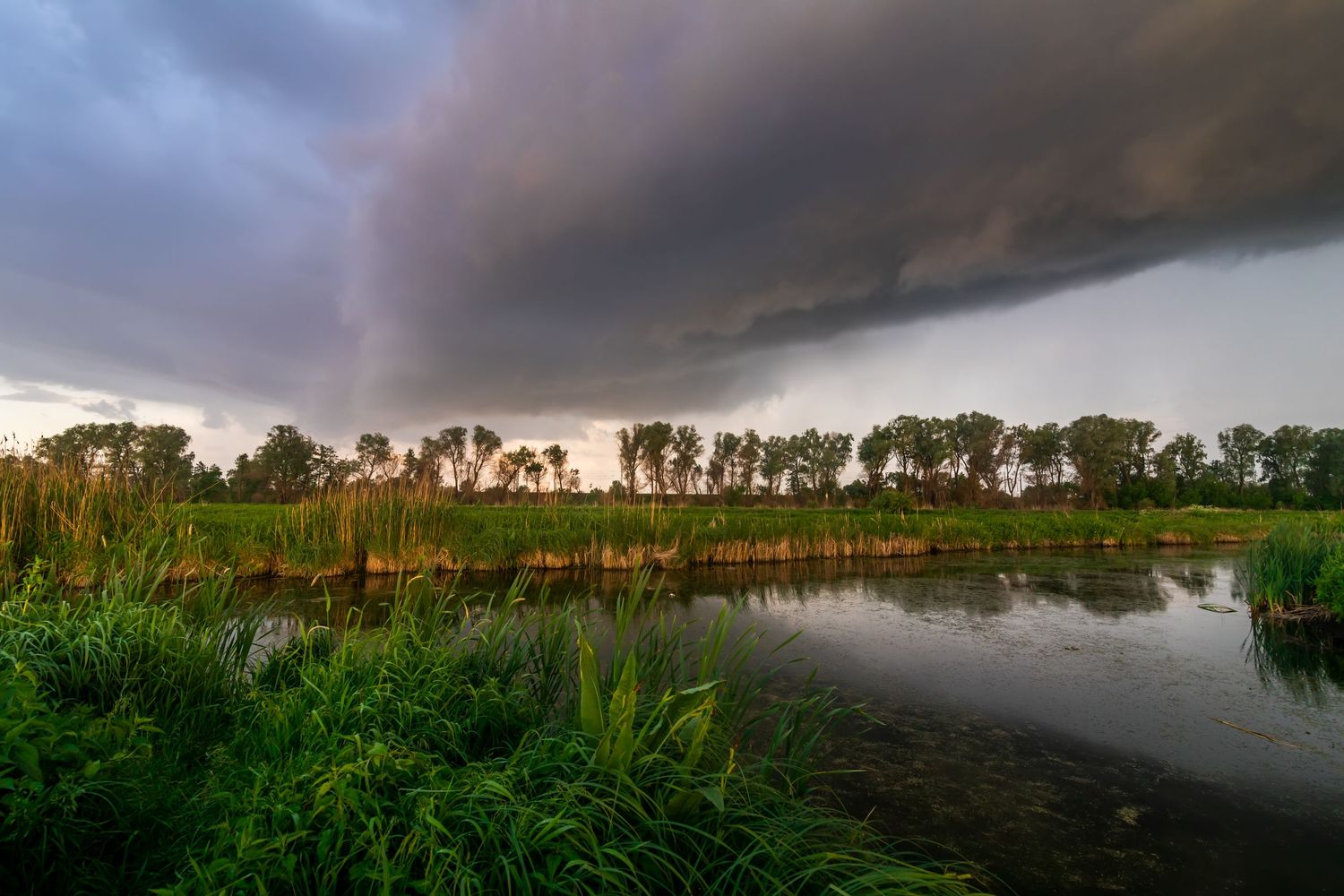
This sounds way more mystical than it actually is, but you can learn to spot weather changes before they happen. Those wispy high clouds that look pretty? They often mean weather's coming in the next 12-24 hours. Dark clouds building on the horizon move faster than you think. And if the wind suddenly picks up or changes direction, something's definitely about to happen.
I learned this the hard way during a portrait session when I ignored the obvious signs of an approaching storm because my weather app said we had two more hours of clear skies. Spoiler alert: we didn't.
Essential Gear for Unpredictable Weather
The Rain Cover That Actually Works
Look, those plastic rain covers that come free with some camera bags? They're basically useless. Invest in a proper rain cover or housing for your camera. I use a Think Tank Hydrophobia cover, and it's saved my gear more times than I can count.
That said, don't let the lack of expensive rain gear stop you from shooting in light rain. A plastic bag with a rubber band around the lens can work in a pinch. Just maybe don't try this with your most expensive lens.
Lens Cloths and More Lens Cloths
Water spots, dust, fog condensation – changing weather throws all kinds of stuff at your lens. I keep microfiber cloths in every pocket, in my camera bag, in my car... okay, maybe I'm a little obsessive about this, but there's nothing worse than not noticing water spots until you're editing later.
Pro tip: those little packets of silica gel that come with new electronics? Save them. Throw a few in your camera bag to help control moisture.
Sturdy Tripod or Go Without
Wind is the enemy of sharp photos, and a flimsy tripod in windy conditions is worse than no tripod at all. If your tripod starts shaking, either weigh it down (I've used my camera bag as ballast) or ditch it entirely and shoot handheld. Don't be afraid to bump up your ISO if you need faster shutter speeds.
Working with Different Weather Conditions
Overcast Skies: The Photographer's Friend (Really)
Everyone complains about cloudy days, but overcast conditions are actually amazing for certain types of photography. The clouds act like a giant softbox, giving you even, diffused light that's perfect for portraits, macro photography, or detailed landscape shots.
The key is adjusting your expectations. Instead of dramatic golden hour landscapes, think intimate forest scenes or moody black and white shots. Some of my best waterfall photos happened on completely overcast days because there were no harsh shadows to deal with.
Overcast Photography Tips:
Shoot in RAW format (you'll need the extra editing flexibility)
Don't include too much empty sky in your composition
Look for subjects with natural contrast or interesting textures
Consider converting to black and white in post-processing
Rain: Embrace the Drama
Shooting in rain requires some courage and a lot of preparation, but the results can be incredible. Everything looks different when it's wet – colors become more saturated, surfaces become reflective, and you get opportunities for shots that simply don't exist in dry conditions.
Just please be smart about it. Don't risk your safety or your gear for a photo. Light rain? Go for it. Lightning storm? Maybe stay inside and edit some old photos instead.
Rainy Day Strategies:
Look for covered areas where you can stay dry while shooting the rain
Puddle reflections are your friend
Wet surfaces create natural leading lines
Don't forget about the aftermath – everything looks amazing right after rain stops
Wind: The Invisible Challenge
Wind is probably the most underestimated challenge in outdoor photography. It's not just about keeping your camera steady – wind affects everything from how your subjects pose to whether you can keep your lens cap from blowing away.
For landscape photography, wind can actually be helpful if you're trying to capture movement in grass, trees, or water. But if you're shooting portraits or trying to get a sharp macro shot, wind becomes your nemesis pretty quickly.
Working With Windy Conditions:
Use faster shutter speeds to freeze movement
Or embrace the motion blur for artistic effect
Weight down your tripod or shoot handheld
Have your subject face away from the wind (trust me on this one)
Fog: When Weather Gets Mysterious
Fog can completely transform a familiar location into something totally different. It hides distracting backgrounds, creates natural depth, and adds instant mood to your shots. The downside? It moves and changes quickly, so you need to work fast when conditions are good.
Fog Photography Essentials:
Expose for the fog, not the darker areas (you can adjust shadows later)
Look for subjects that stand out against the fog
Get close to your subjects – distant objects disappear in fog
Shoot in RAW and be prepared to do some editing magic
Technical Considerations for Changing Conditions
Exposure Settings That Adapt
Automatic modes can struggle when conditions change rapidly. I usually work in aperture priority mode, but I keep a close eye on what the camera's doing and jump to manual when needed.
Here's something nobody tells you: your camera's meter can get confused by unusual lighting conditions. That bright overcast sky? Your camera might underexpose the rest of the scene. Learn to use exposure compensation, and don't be afraid to override what your camera thinks is "correct."
White Balance Challenges
Different weather conditions create different color temperatures, and auto white balance doesn't always keep up. Overcast skies tend to be cooler (more blue), while golden hour light is warmer (more orange). Storm light can be all over the place.
I shoot in RAW format specifically so I can adjust white balance later without quality loss. But if you're shooting JPEG, consider manually setting white balance or at least being aware of how different conditions affect color.
Focus Issues In Low Light And Fog
Autofocus struggles in low contrast situations – like fog, heavy overcast skies, or approaching dusk. Switch to manual focus when your camera starts hunting, and use live view with magnification to nail critical focus.
Single-point autofocus usually works better than multi-point in challenging conditions. Your camera is less likely to get confused about what you want in focus.
Planning vs. Adapting: Finding the Balance
The 60% Rule
Here's my personal philosophy: plan for about 60% of your shoot, but leave 40% room for adaptation. Have a general idea of what you want to shoot and where, but be ready to completely change plans when the weather throws you a curveball.
Some of my best photos happened because I was flexible enough to work with unexpected conditions instead of stubbornly sticking to my original plan.
Multiple Backup Plans
Always have at least two alternative locations in mind, preferably with different orientations or shelter options. If your main spot doesn't work out because of weather, you're not stuck driving home empty-handed.
Indoor locations with big windows, covered pavilions, parking garages with interesting architecture – all of these can save a shoot when weather goes sideways.
Safety First (Because Cameras Are Replaceable)
Look, I love photography, but no shot is worth risking your safety. Lightning, flash floods, extreme cold, ice – these are all real dangers that can escalate quickly. Trust your instincts. If something feels unsafe, it probably is.
I've bailed on shoots because of weather, and I've never regretted it. I have regretted ignoring warning signs and ending up in sketchy situations.
Weather Safety Basics:
Tell someone where you're going and when you plan to return
Check road conditions, not just weather conditions
Carry emergency supplies in your car
Know your limits and respect them
Post-Processing Weather Challenged Photos
Sometimes you do everything right during the shoot, but the photos still need help because of challenging conditions. That's totally normal. Don't feel like you failed as a photographer if your images need significant post-processing work.
Common Weather-Related Editing Tasks:
Adjusting exposure for unusual lighting conditions
Correcting color balance affected by overcast skies
Enhancing contrast in flat, gray conditions
Dealing with water spots or dust on the lens
Boosting saturation in washed-out conditions
The key is learning to see the potential in less-than-perfect conditions during shooting, knowing you can enhance things later in post.
Embracing Imperfection
Here's the truth nobody wants to admit: some of your weather-challenged shoots are going to produce mediocre photos. That's okay. Even the pros don't nail it every time, and weather adds an extra layer of unpredictability that's often beyond anyone's control.
But those challenging conditions also create opportunities for unique images that you literally can't get any other way. That fog I complained about earlier? It taught me to see locations differently and pushed me to try compositions I never would have attempted in clear conditions.
Making Peace With Mother Nature
After years of outdoor photography, I've learned that fighting the weather is a losing battle. The photographers who consistently get great outdoor shots aren't the ones who only shoot in perfect conditions – they're the ones who've learned to work with whatever nature throws at them.
Every challenging weather condition is an opportunity to learn something new about photography. Fog teaches you about working with limited visibility and soft light. Wind forces you to think about timing and movement. Rain shows you how water transforms everything it touches.
Wrapping Up: Weather as a Creative Partner
The weather isn't your enemy – it's an unpredictable creative partner that keeps outdoor photography interesting. Yes, it's going to frustrate you sometimes. Yes, you're going to get caught in situations you didn't expect. And yes, some shoots are going to be complete washouts.
But you're also going to capture images that surprise you, learn to see in ways you never expected, and come away with stories that are almost as good as the photos themselves.
So next time the weather forecast looks sketchy for your planned shoot, don't automatically cancel. Grab your rain cover, pack some extra lens cloths, and see what happens. You might just come back with your new favorite photo.
And if not? Well, at least you'll have a good story to tell.
What's the most challenging weather situation you've dealt with while photographing? Did it lead to any unexpectedly great shots? I'd love to hear about your weather adventures (and misadventures) in the comments below.